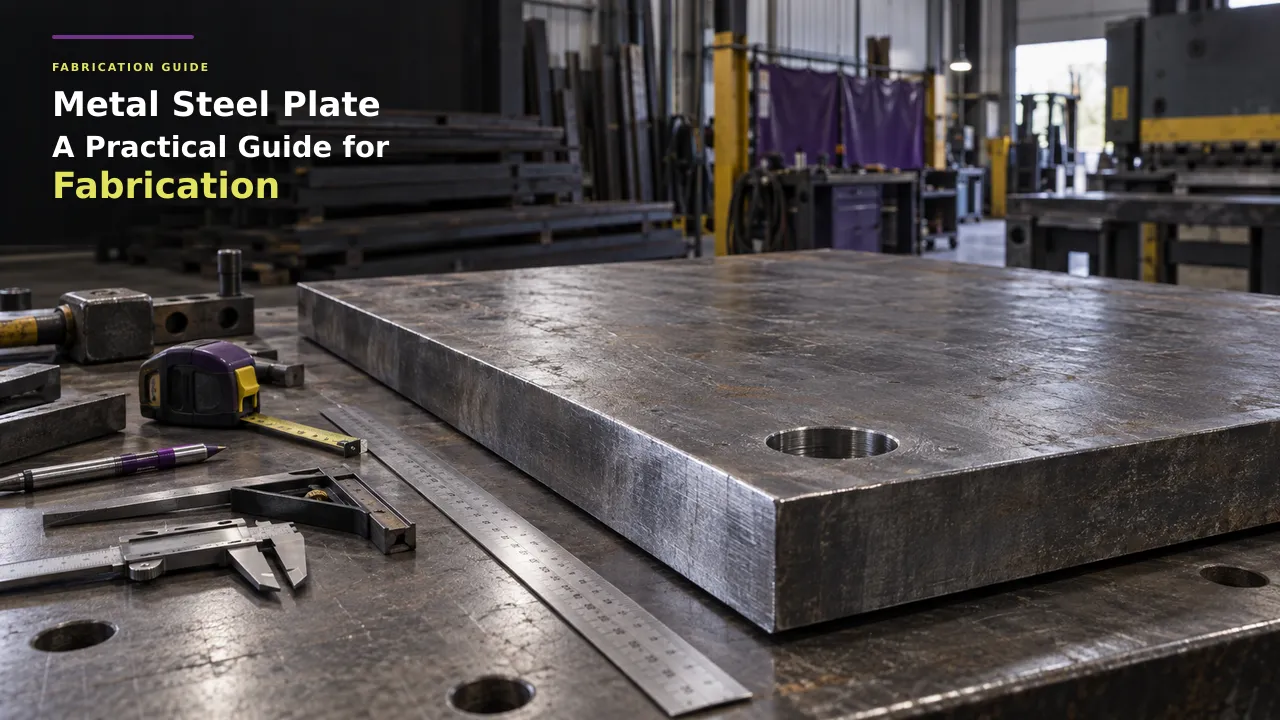
Choosing the right metal product can have a major impact on the strength, appearance and lifespan of a fabrication project. Whether you are building equipment supports, trailer components, repair panels or workshop structures, the material must match the job.
A metal steel plate is often selected when a project requires greater thickness, rigidity and impact resistance than a standard sheet can provide. However, plate is not always the right choice. Thickness, material grade, corrosion exposure, fabrication method and final use should all be considered before ordering.
What Is a Metal Steel Plate?
A metal steel plate is a flat steel product used for applications that require strength and stability. Compared with thinner sheet products, plate is generally better suited to heavy-duty fabrication, load-bearing components and areas exposed to impact or wear.
Steel plate can be cut, drilled, welded and fabricated into many different components. Common examples include base plates, equipment mounts, machine supports, heavy brackets and repair sections. The correct thickness depends on how the plate will be used and how much weight, pressure or impact it needs to handle.
The term “plate” can vary between suppliers and industry standards, so it is important to check the actual thickness, grade and product specification instead of relying on the name alone.
Steel Plate vs Sheet MS: What Is the Difference?
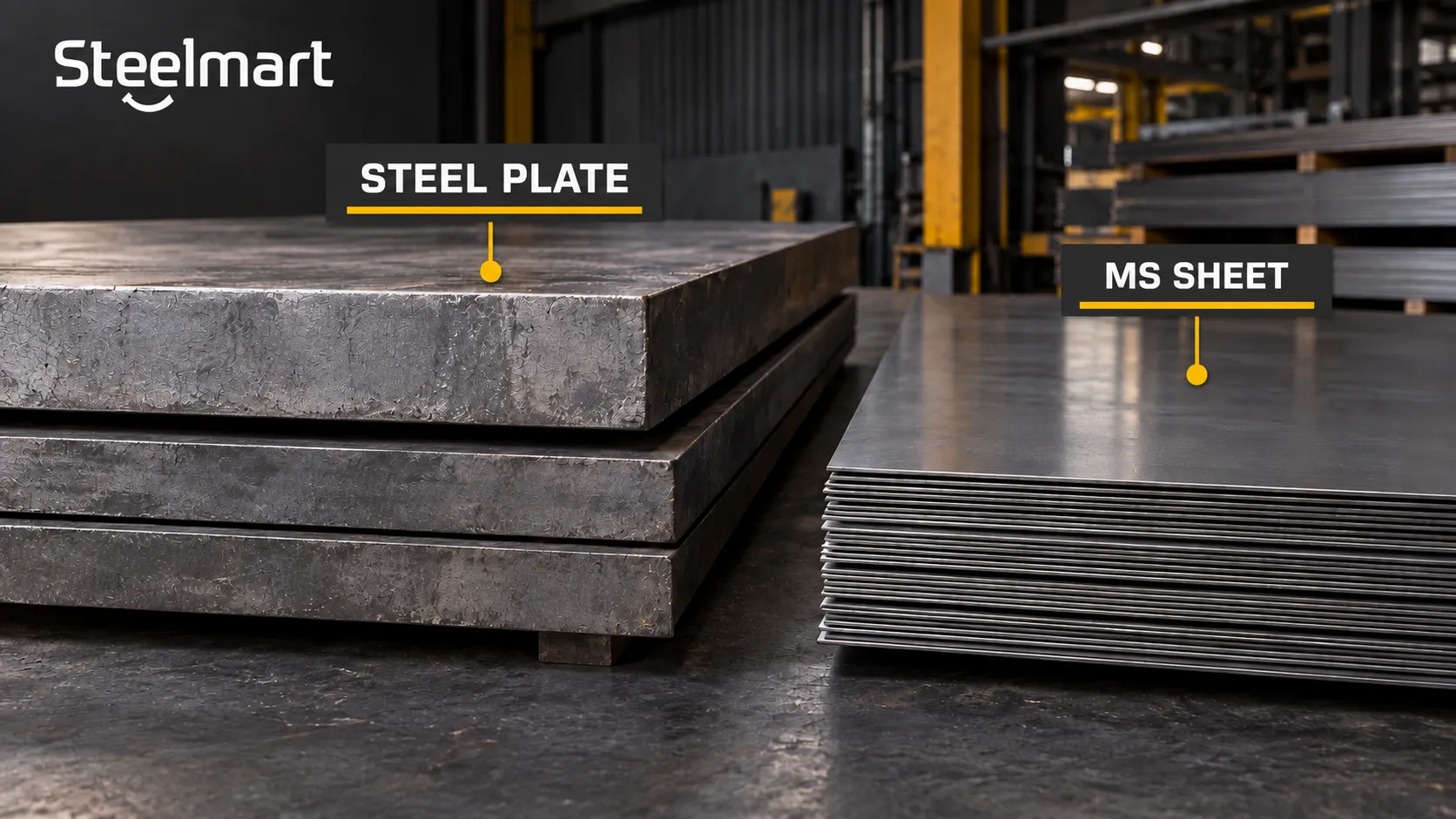
The phrase sheet ms usually refers to mild steel sheet. It is commonly used for lighter fabrication work because it is easier to cut, fold and shape than thicker plate.
Projects that combine a rigid plate with reinforcement, infill or screening may also require steel mesh. Reviewing these materials together helps ensure the thickness, fixing points and final finish work properly with the complete fabrication.
Sheet MS is suitable for applications such as:
- Workshop trays and guards
- Repair panels
- Brackets and folded components
- Benchtops and work surfaces
- General maintenance projects
- Non-structural covers and panels
Steel plate is generally more suitable when the material must support weight, resist impact or provide a rigid foundation. It may be used for machine bases, trailer components, equipment mounts, structural-style brackets and heavy-duty repairs.
The best choice depends on the function of the material. If the steel is only covering or enclosing something, sheet may be sufficient. If it must support, reinforce or protect a component, a thicker plate may be the better option.
Choosing Between Mild Steel, Galvanised and Stainless Steel
Different steel finishes and grades are designed for different working conditions. Selecting the right option early can help prevent corrosion, premature wear and unnecessary replacement costs.
Mild Steel
Mild steel is widely used for general fabrication because it is practical, versatile and easy to weld. It is a popular choice for indoor projects, workshop components, brackets, base plates and items that will be painted or coated after fabrication.
If the steel will be exposed to moisture, it may require additional protection such as paint, powder coating or another suitable finish.
Galv Sheet Metal
Galv sheet metal has a zinc coating that helps protect the steel from corrosion. It can be a practical option for outdoor projects, sheds, utility panels, enclosures and other applications where the material may experience moisture.
The zinc coating provides useful protection, but the edges, cut areas and fixing points should still be considered during fabrication. If the job requires thicker material or high load resistance, ask whether a galvanised plate or another coated steel product would be more suitable than thin sheet.
Stainless Steel
Stainless steel is selected when corrosion resistance, appearance and long-term durability are important. It is often used in commercial, architectural, food-service and coastal environments.
The grade should match the conditions of the project. A clean, polished finish may be important for visible components, while a more functional finish may be suitable for workshop or industrial applications.
Check Steel Plate Sizes Before Ordering
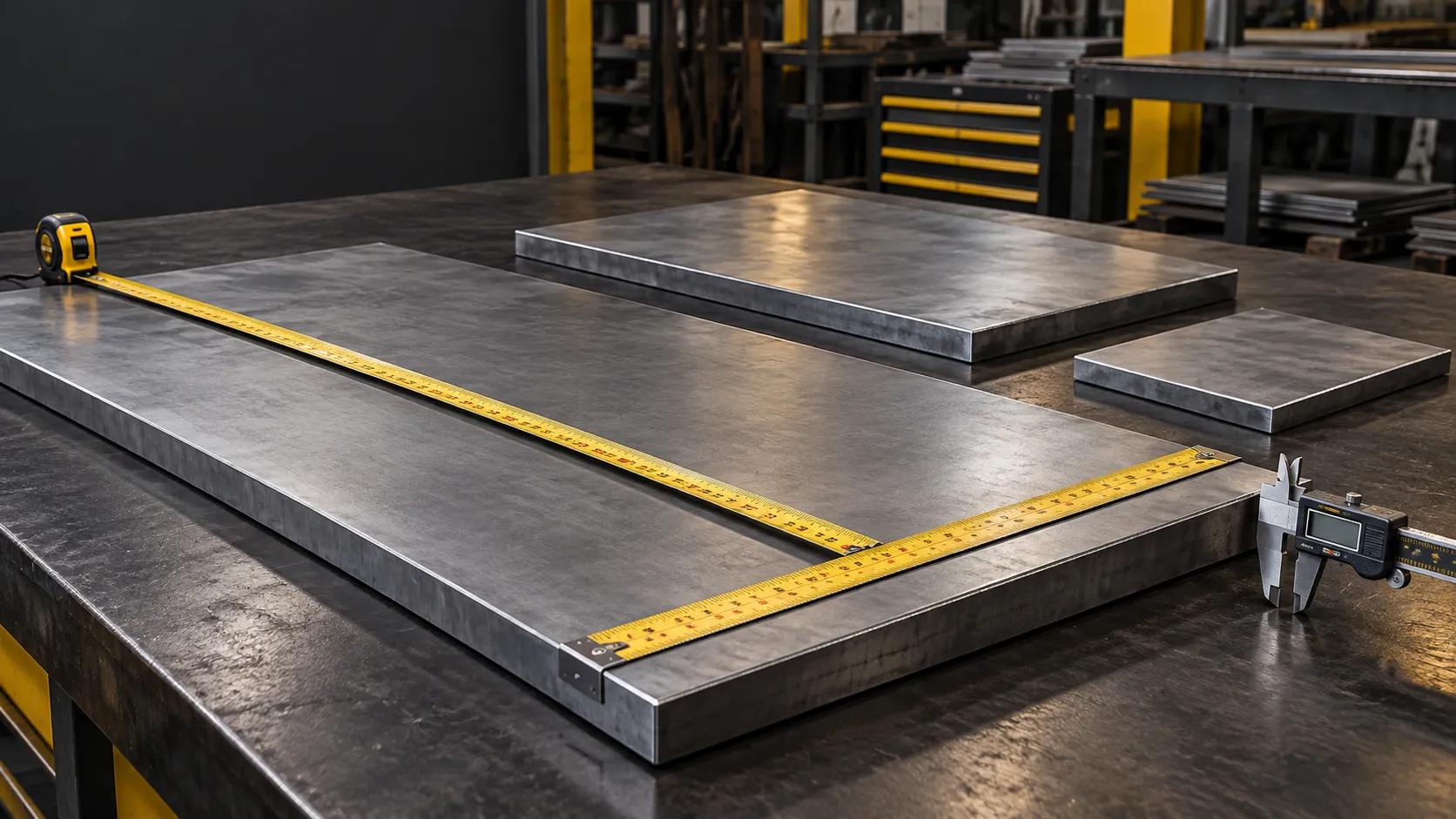
Steel plate sizes can affect material cost, cutting requirements, transport and installation time. Before placing an order, confirm the required thickness, width and length for every component.
Consider the following points:
- What load will the plate support?
- Will it be exposed to impact, heat or moisture?
- Does it need to be drilled, folded or welded?
- Will the plate be cut into smaller parts?
- Is there enough allowance for trimming and fabrication?
- Can the finished piece be safely transported and handled?
Ordering a plate that is too thin can create strength and safety problems. Ordering one that is unnecessarily thick can increase weight, cutting time and project costs. Reviewing steel plate sizes before purchasing helps reduce waste and keeps the fabrication process more efficient.
For shaped components, ask whether cut-to-size or custom cutting is available. This can make it easier to move from material delivery to welding, assembly or installation.
Common Uses for Steel Plate
Steel plate is used across many fabrication and maintenance applications. Some common examples include:
- Equipment mounts and machine bases
- Trailer and vehicle components
- Heavy brackets and support plates
- Base plates and mounting pads
- Wear-resistant repair sections
- Industrial guards and protective covers
- Workshop and construction fabrication
Some projects also require a rigid plate alongside reinforcement, infill or screening. When planning those components together, review the steel mesh requirements at the same stage so the thickness, fixing points and finish work properly together.
How to Order the Right Steel Plate
Before ordering, compare available grades, finishes, thicknesses and steel plate sizes through steelmart. This makes it easier to choose a suitable material for your project requirements.
It is also worth checking whether the steel will be exposed to coastal air, rain, chemicals, heat or repeated impact. These conditions may influence whether mild steel, galv sheet metal or stainless steel is the most suitable option.
If you are unsure, provide the supplier with details about the project rather than asking only for a product name. Explaining the load, environment and intended use can lead to a more practical recommendation.
Final Thoughts
Choosing a metal steel plate is not only about finding the thickest or heaviest product available. The right decision depends on the project’s strength requirements, working environment, finish, fabrication method and overall budget.
Compare the available material types, confirm steel plate sizes and make sure the selected product is suitable for the way it will be cut, joined and used. To explore current steel products and get help with your material selection, visit steelmart before placing your order.
