Bangladesh is standing at one of its most sensitive political crossroads in years. Just days before the highly anticipated court verdict involving former Prime Minister Sheikh Hasina, a series of explosions in Dhaka has pushed the capital into a state of heightened fear and tension. The blasts, which occurred across multiple locations, have raised alarm over the country’s fragile security environment and the possibility of unrest spilling onto the streets.
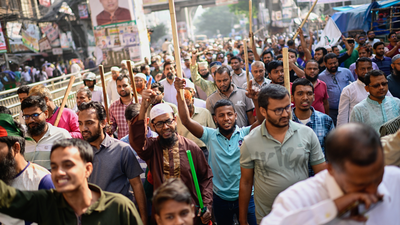
While authorities have increased security and promised strict action, the timing of the attacks—so close to a politically charged verdict—has intensified speculation, worry, and uncertainty among the public.
ChroniclesOfSilence.com | woodfellas.in | curcumanokaze.com
CanCallSomeone.com | loucitychiro.com
A City Rattled by Sudden Blasts
Dhaka, known for its dense traffic, bustling streets, and political activism, woke up to an atmosphere of unease as reports of explosions emerged. Though initial assessments are ongoing, these blasts—small but coordinated—were enough to disrupt public confidence and remind citizens of the country’s recurring political volatility.
Eyewitnesses described hearing sudden loud noises, smoke rising in certain parts of the city, and emergency vehicles rushing through congested roads. Shops immediately pulled down shutters, and people scrambled to contact loved ones. Even though there were no reports of widespread casualties, the psychological impact was substantial.
Security Forces on High Alert
In response, Bangladesh Police, Rapid Action Battalion (RAB), and intelligence units swiftly set up checkpoints across Dhaka. Surveillance was intensified near government buildings, political party offices, and the Supreme Court, where tensions were already high.
Authorities believe the blasts were intended to send a political message rather than cause mass harm. The operations appeared symbolic—designed to create fear and deepen uncertainty ahead of the legal verdict involving Sheikh Hasina.
A senior security official described the situation as "delicate and evolving," acknowledging the need for vigilance but urging the public not to panic.
The Verdict That Could Reshape Bangladesh’s Political Landscape
Sheikh Hasina, one of the longest-serving leaders in South Asia, remains a towering figure in Bangladesh politics. Her tenure is marked by major economic progress, ambitious infrastructure projects, and strong governance—but also allegations of authoritarian practices, centralization of power, and human rights concerns.
The upcoming verdict relates to a high-profile corruption and abuse of power case. While her supporters argue the charges are politically motivated, critics claim accountability is long overdue.
Whatever the outcome, the verdict is expected to have a profound impact:
-
If convicted, Hasina could face disqualification from politics, reshaping the leadership dynamics of the Awami League.
-
If acquitted, it could intensify grievances among opposition parties and potentially lead to street protests.
Either scenario is politically explosive, which makes the recent blasts even more concerning.
A Country Divided Along Political Lines
Bangladesh’s politics has long been defined by the rivalry between the Awami League (AL) and the Bangladesh Nationalist Party (BNP). This rivalry often spills into street protests, hartals (strikes), and violent clashes.
In recent weeks, the tension has been more visible:
-
Opposition groups have accused the government of manipulating institutions.
-
The ruling party claims that hostile elements are attempting to destabilize the state.
-
Neutral observers warn that political polarization is deepening at a dangerous pace.
The blasts, though small in scale, act as fuel to an already burning fire.
Public Fear and Confusion
People in Dhaka are anxiously tracking news updates. Social media has become flooded with unverified information, further heightening panic. Many citizens fear:
-
A return to large-scale political violence, which the country has experienced in the past.
-
Shutdowns or disruptions that may follow the verdict.
-
Escalating clashes between party supporters and law enforcement.
Parents rushed to pick up children from schools, office-goers hurried home, and many decided to remain indoors until clarity emerges.
For ordinary citizens, the question is simple: Will peace hold?
Government’s Response: Reassurance, Investigation, and Control
The government has condemned the blasts and promised strong action. Officials maintain that the situation is under control and that the verdict will be announced under heavy security.
Key steps taken include:
-
Increased police presence in key areas
-
Rapid Action Battalion patrols in sensitive zones
-
Temporary restrictions on large gatherings
-
Strengthened intelligence monitoring
-
High-alert mode for hospitals and emergency services
Government sources say they intend to maintain order at any cost, with clear warnings issued against those planning to exploit the situation.
Possible Motives Behind the Blasts
While investigations are ongoing, early theories suggest several possibilities:
-
Political pressure: Creating an atmosphere of fear ahead of the verdict.
-
Instigation of unrest: Certain groups may want to provoke clashes or chaos.
-
Distraction: Diverting attention away from the legal proceedings.
-
Destabilization attempts: External or internal actors seeking to challenge the government’s authority.
Bangladesh’s history shows that political events often coincide with targeted disruptions. Whether this is another such instance remains to be proven.
Businesses, Schools, and Daily Life Affected
The uncertainty has impacted daily life. Businesses have seen a dip in footfall, markets are closing early, and citizens are stocking essential items in fear of a possible shutdown. Ride-sharing services have reduced availability, and several private offices have asked employees to work from home.
Even though officials insist there is no immediate threat, caution is dominating public behavior.
Regional and International Reactions
South Asian neighbors, including India and Nepal, are monitoring the situation closely. Bangladesh is a key regional partner, and instability in Dhaka can have ripple effects across borders—especially in terms of trade, migration, and security.
International observers have expressed concern and urged all political actors in Bangladesh to maintain restraint and allow legal processes to unfold peacefully.
What Happens Next?
With Dhaka on edge, all eyes are now on the upcoming court verdict. Bangladesh is entering a critical phase that will demand:
-
Maturity from political parties
-
Neutrality from institutions
-
Responsibility from media
-
Restraint from protesters
-
Reassurance from leadership
Whether the country witnesses calm or chaos depends on how these next few days are handled.
Conclusion: A Nation Holding Its Breath
Bangladesh has faced political storms before, but the current atmosphere feels different—charged, unpredictable, and emotionally heavy. The blasts in Dhaka are not just acts of disruption; they are symbols of the fear and fragility surrounding the political environment.
As the verdict approaches, the nation waits—anxious, alert, and hopeful that peace will prevail.
