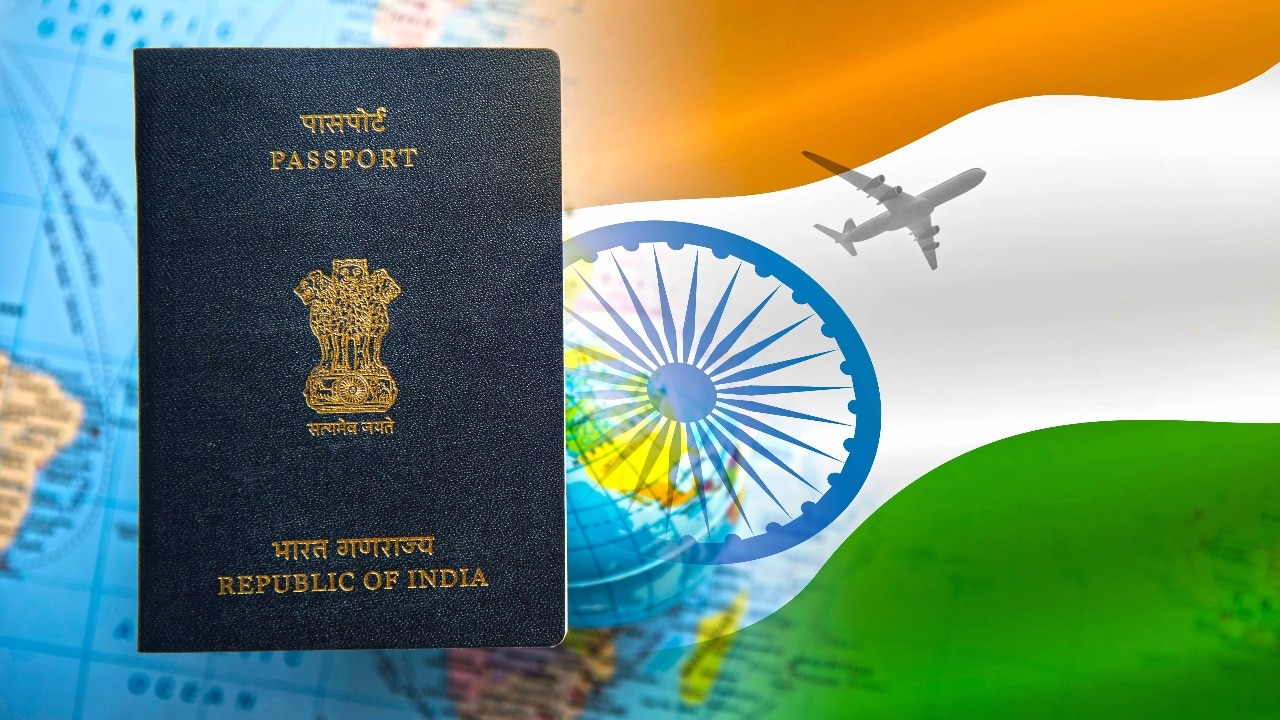
Over the last few years, a quiet but significant shift has been taking place in India’s migration story. Every year, more than two lakh Indians are formally giving up their citizenship, choosing instead to become citizens of other countries. What was once a steady but limited trend has accelerated sharply since the early 2020s, raising important questions about why so many people are making the difficult decision to sever their legal ties with the country of their birth.
Giving up citizenship is not the same as moving abroad for education or work. It is a final, often emotional step that signals long-term settlement elsewhere. For many Indians, it represents a complex mix of opportunity, constraint, aspiration, and frustration.
A Sharp Rise After Years of Stability
For over a decade, the number of Indians renouncing citizenship remained relatively stable. Annual figures typically hovered between 1.2 lakh and 1.45 lakh. This changed dramatically after the Covid-19 pandemic. From 2022 onwards, the numbers consistently crossed the two-lakh mark each year.
Between 2011 and 2024, more than 20 lakh Indians gave up their citizenship. Nearly half of these cases occurred in just the last five years. While part of the post-2022 surge can be explained by the clearing of pandemic-related backlogs, the persistence of high numbers in subsequent years points to deeper, structural reasons.
Citizenship Loss Is Often Not a Choice
One of the most important factors behind this trend is India’s stance on dual citizenship. Indian law does not allow a person to hold Indian citizenship alongside that of another country. The moment an Indian voluntarily acquires foreign citizenship, they automatically cease to be an Indian citizen.
For Indians who have lived abroad for long periods, this becomes a practical dilemma rather than an ideological one. In many developed countries, full participation in society is tied closely to citizenship. Voting rights, access to certain jobs, social security benefits, long-term residency security, and political representation are often unavailable to permanent residents.
India’s Overseas Citizen of India (OCI) status provides some relief by allowing visa-free travel and limited economic rights, but it does not grant political rights or complete equality with citizens of the host country. For families settled abroad with children, careers, and assets, acquiring foreign citizenship becomes almost unavoidable. In such cases, giving up Indian citizenship is less about rejection and more about necessity.
The Post-Pandemic Reassessment of Life
The Covid-19 pandemic acted as a turning point for many professionals. Lockdowns, health crises, and economic uncertainty forced people to rethink where they lived and worked. Once global travel and immigration systems resumed, thousands who had been waiting for years completed their citizenship processes abroad.
However, the continuation of high renunciation numbers even after backlogs cleared suggests a broader reassessment. The pandemic highlighted differences in healthcare systems, social security nets, work-life balance, and governance. For many Indians already abroad, these comparisons strengthened the case for permanent settlement.
vikingsfanaticproshop.com | dailyleadcampaign.com | tokopediaweb.com
Homeinteriorgoods.com | topshows.org
From Brain Drain to Wealth Migration
India has experienced brain drain since the 1970s, with doctors, engineers, scientists, and academics moving overseas for better opportunities. What is notable today is the changing profile of those leaving. Alongside skilled professionals, an increasing number of high-net-worth individuals and wealthy families are choosing to relocate permanently.
This shift reflects concerns beyond salaries. Wealthier Indians often cite regulatory uncertainty, quality of life issues, global mobility, and long-term security for their families as key reasons. Holding a powerful foreign passport offers visa-free access to many countries, easier business operations, and a sense of global belonging that an Indian passport may not always provide.
Career Growth and Economic Logic
For skilled professionals, the economic argument remains strong. Similar roles abroad often offer significantly higher pay, clearer career progression, and better working conditions. Even after accounting for higher living costs, disposable income and savings potential tend to be higher.
Moreover, professional ecosystems in countries like the US, UK, Canada, and Australia often reward specialization, innovation, and merit more consistently. Access to cutting-edge research, advanced infrastructure, and global networks further enhances career growth. Over time, the logic of staying abroad becomes compelling, and citizenship becomes the final step in securing that future.
Education as the First Step Out
The path to renouncing citizenship is often predictable. It begins with higher education abroad. Indian students move overseas for master’s degrees or doctorates, transition into skilled employment, secure permanent residency, and eventually become eligible for citizenship.
Indians are among the most highly educated migrant groups globally. In several Western countries, Indian immigrants consistently show higher educational attainment than both native-born populations and other migrant groups. This makes them strong candidates for naturalisation, further accelerating the trend.
Quality of Life and Urban Fatigue
Beyond jobs and money, quality of life plays a major role. India’s biggest cities struggle with severe air pollution, traffic congestion, inadequate public transport, and pressure on civic infrastructure. For those who have experienced cleaner air, safer streets, reliable public services, and better urban planning abroad, returning permanently can feel like a downgrade.
Daily stressors such as long commutes, unpredictable infrastructure failures, and concerns about safety and healthcare add up over time. For families with young children, these factors weigh heavily in decisions about long-term settlement.
Emotional Cost and Identity Conflict
Despite the practical benefits, giving up Indian citizenship is rarely easy. Many Indians abroad express deep emotional conflict about surrendering their passport. Citizenship is closely tied to identity, culture, and belonging. The decision often involves grief, guilt, and a sense of loss.
Social media platforms are filled with stories of Indians who never wanted to give up their nationality but felt forced by circumstances. This emotional dimension is often overlooked in policy discussions but remains central to understanding the trend.
What This Means for India
The steady outflow of citizens raises important questions for India’s future. While remittances, global networks, and diaspora influence remain valuable, the loss of skilled talent and wealthy individuals has long-term implications for innovation, tax revenue, and leadership.
At the same time, the trend reflects global realities. In an interconnected world, talent moves where opportunities, stability, and quality of life are perceived to be better. The challenge for India lies in creating conditions that make staying — or returning — an equally attractive option.
A Decision Shaped by Push and Pull
Ultimately, the rise in Indians giving up citizenship is driven by a combination of strong pull factors abroad and persistent push factors at home. It is not a sudden exodus but the result of long-term choices made logical by law, economics, and lived experience.
As global mobility increases, this trend is unlikely to reverse quickly. Whether India responds by reforming policies, improving urban life, or strengthening professional opportunities will determine how this story evolves in the years to come.
