India’s employment landscape is undergoing a quiet but powerful transformation. As the country advances toward its Viksit Bharat 2047 vision, job creation is no longer limited to large cities and service-driven economies. Instead, rural and mineral-rich regions are emerging as new centres of industrial employment, driven by sectors that combine natural resources with large-scale manufacturing. Among these, the aluminium industry stands out as a significant catalyst reshaping livelihoods, local economies, and regional development across states such as Odisha, Chhattisgarh, and Andhra Pradesh.
According to government data, employment in India grew by nearly 36 per cent between 2016–17 and 2022–23, adding around 170 million jobs. This growth includes both formal and informal employment and reflects a broader shift toward decentralised economic activity. Rural India has played a crucial role in this expansion, supported by infrastructure development, industrial investments, and the rise of resource-based industries. Aluminium, in particular, has become one of the strongest drivers of this rural employment momentum.
Aluminium as a Rural Employment Engine
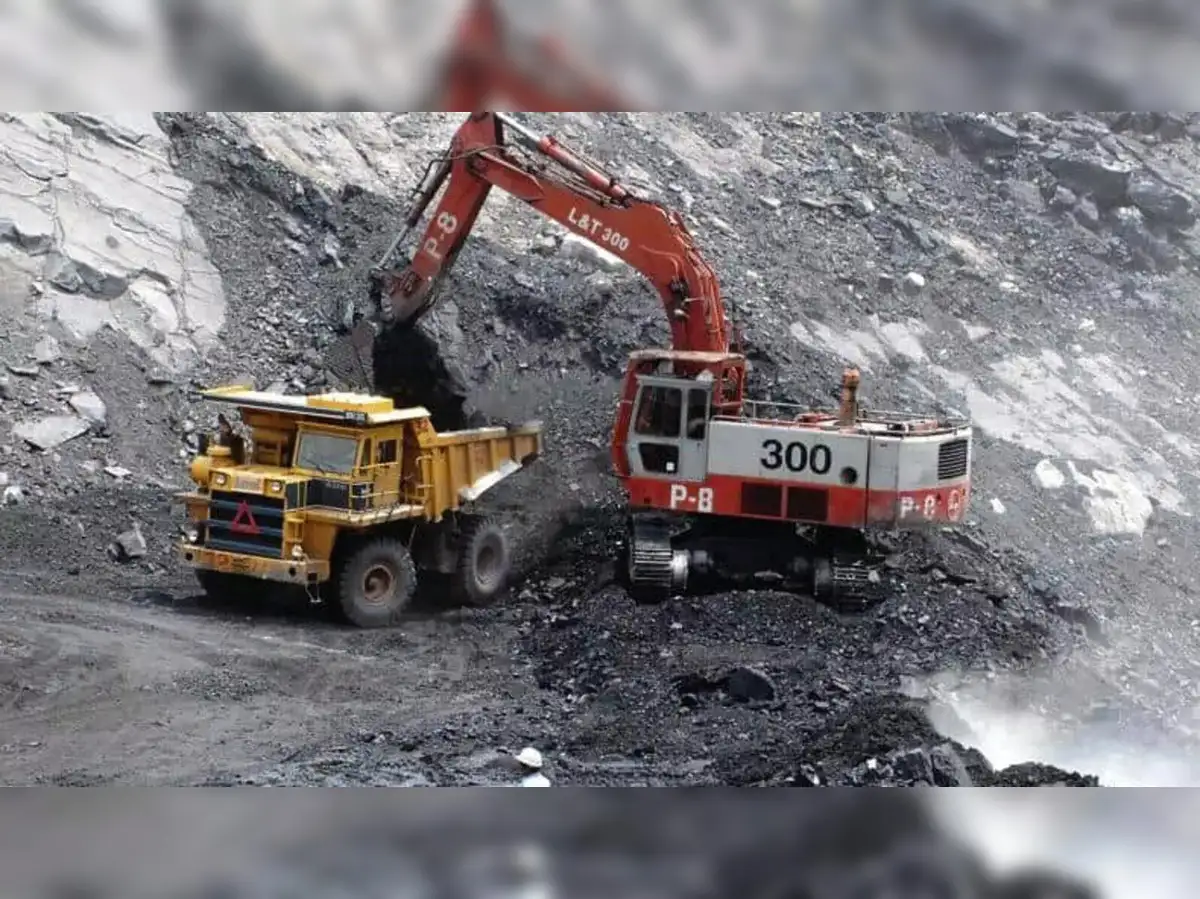
The aluminium value chain begins with bauxite mining, which is predominantly located in remote and mineral-rich districts. Over the past two decades, these regions have seen the establishment of world-class mining, refining, and smelting facilities. For communities that were once dependent on subsistence farming and seasonal labour, the industry has introduced stable, year-round employment opportunities.
Industry estimates cited by the Aluminium Association of India indicate that the sector has already generated more than eight lakh jobs and supports around 4,000 small and medium enterprises in its downstream ecosystem. These SMEs operate across fabrication, transportation, packaging, and value-added manufacturing, significantly expanding the employment footprint beyond core production units.
What makes aluminium particularly impactful is its strong employment multiplier effect. For every one million tonnes of aluminium produced, the industry creates approximately 20,500 direct and indirect jobs. Each direct job further supports nearly 3.7 indirect jobs in allied sectors such as logistics, engineering services, maintenance, and local supply chains. This cascading impact strengthens rural economies and helps develop skilled workforces closer to home.
Community Transformation Beyond Jobs
The aluminium industry’s contribution goes beyond employment numbers. Its presence in rural districts has boosted local gross domestic product and raised per capita incomes, helping reduce long-standing regional disparities. Investments by aluminium producers have led to improved infrastructure, including roads, power networks, healthcare facilities, and schools. These developments not only serve industrial needs but also enhance the quality of life for surrounding communities.
Another critical outcome has been the reduction in distress migration. By creating viable employment opportunities within home districts, aluminium plants have eased the pressure on major urban centres. This has contributed to more balanced urbanisation, reduced congestion in metros, and better living conditions for workers who can now stay closer to their families and cultural roots.
brownsrookiesproshop.com | theparentingworlds.com | Casino-Year.com
businesstlkjest.com | theautospaces.com
A Strategic Metal for India’s Future
Aluminium is not just an industrial commodity; it is a strategic metal central to India’s long-term economic and environmental goals. Lightweight, durable, and infinitely recyclable, aluminium is essential for electric vehicles, renewable energy systems, power transmission, infrastructure, and defence applications. As India accelerates its clean energy transition and electric mobility push, demand for aluminium is expected to rise sharply.
Recognising this, the Aluminium Vision Document 2047 lays out an ambitious roadmap. It aims to scale aluminium production nearly six-fold, increase bauxite mining capacity to 150 million tonnes annually, and achieve world-class low-carbon production standards. These targets align closely with national initiatives such as Atmanirbhar Bharat and Make in India, positioning aluminium as a backbone of India’s industrial self-reliance.
Investment, Jobs, and the Road Ahead
The Aluminium Vision Document estimates that investments of nearly Rs 20 lakh crore will be required to achieve these goals. If realised, these investments could generate over one million additional jobs across mining, refining, smelting, recycling, and downstream manufacturing. This expansion would further cement aluminium’s role as a cornerstone of rural industrialisation.
Currently accounting for nearly 2 per cent of India’s manufacturing GDP, the aluminium sector is poised for sustained growth as domestic demand increases. However, unlocking its full potential will depend on timely and supportive policy measures.
Policy Support to Sustain Growth
To protect domestic producers and encourage long-term investment, the industry has highlighted the need for decisive policy action. Key measures include imposing a 15 per cent basic customs duty on aluminium products to curb dumping of low-quality imports, enforcing stringent quality standards for imported scrap with low aluminium content, and promoting circular economy initiatives.
Strengthening recycling and scrap collection systems can double domestic scrap availability, reduce dependence on imports, and support sustainability goals. These steps will not only enhance industrial resilience but also create additional employment opportunities across collection, processing, and secondary manufacturing.
A Cornerstone of Inclusive Growth
As India charts its path toward a developed economy by 2047, the aluminium industry offers a compelling example of how resource-based manufacturing can drive inclusive growth. By anchoring high-value economic activity in mineral-rich and rural districts, it bridges regional gaps, builds skills, and delivers long-term livelihoods.
With continued investments, technological upgrades, and supportive policies, aluminium is set to remain a powerful force in reshaping India’s job story—one that brings growth closer to where resources and people already are.
