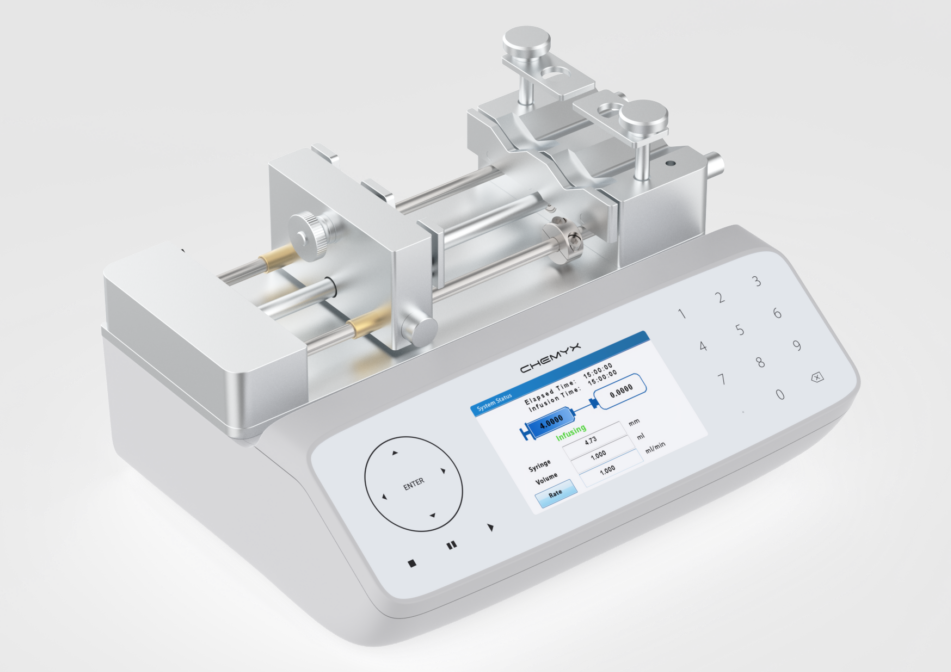
A Syringe Pump usually lies inertly on a laboratory table, but its purpose is very delicate. It manages the flow of fluids at controlled speeds that can't be reached by hand. The device pushes liquid in measured amounts, sometimes over long durations without interruption. Even a minor fluctuation can change experimental results in ways that are not obvious immediately. That is why consistency becomes more important than speed in most applications.
Flow consistency depends on more than just settings
Working with a syringe pump means understanding that flow rate is not just a number on a screen. Movement is affected by the thickness of the liquid, temperature conditions, and the size of the syringe. To travel at the same speed as a thin solution, a thicker solution requires greater pressure. Many users are not speed-adjusting based on these factors. That usually creates uneven delivery across the experiment timeline.
Internal mechanics need attention even if they seem fine
Small mechanical parts within a Syringe Pump manage the control of motion and pressure as long as they are inside. Even when everything seems fine, these parts slowly break down over time. If you don't pay attention to this wear, it can cause your accuracy to drift over time. Checking things on a regular basis helps find changes before they have a big effect on output. Maintenance doesn't have to be hard, but it does need to be done regularly.
Daily use habits can impact long-term performance
How a syringe pump is handled daily has a direct effect on its reliability. When needles are handled roughly, loaded incorrectly, or alignment checks are skipped, extra strain can be caused. People sometimes skip the setting steps because they think they are not important. Those little things often have an effect on how well the system works in the end. Careful setup reduces issues that otherwise show up during critical work periods.
Cleaning is simple, but often done the wrong way
Cleaning a syringe pump should be easy, but different labs have very different ways of doing it. Some residues can't be seen, but they can change how fluids move or respond in the future. Damage can also happen over time if you use the wrong cleaning product. To clean something properly, you need to flush, dry, and look for any extra material. It is a simple process, though it needs attention to detail every time.
Digital controls make operation easier but not foolproof
Newer syringe pumps have digital interfaces that allow you to set the time and flow rate. These controls allow you to do more than one step at a time, and this comes in handy when you have a challenging task. But mistakes can happen if you put the wrong values or skip the verification steps. Before starting any process, operators should check the data again. Technology is helpful, but it still needs careful feedback from people.
Matching equipment with the application avoids unnecessary issues
You may not care as much as you need to know, but it matters to choose the correct needle size and shape in actual life. Smaller syringes are more suitable for tasks that do not require a large amount of fluid, whereas bigger syringes are more suitable for tasks that do. When you use an incorrect size, the pressure may not be consistent and may have numerous breaks. Fitting the job with the right tools enhances output and efficiency.
Maintenance is less visible but very important over time
Routine maintenance of a Syringe Pump includes checking alignment, inspecting moving parts, and ensuring smooth operation. These jobs don't take long, but they keep bigger problems from happening in the future. Skipping maintenance often leads to sudden problems that disrupt work unexpectedly. Keeping a simple schedule helps maintain performance without adding complexity.
Conclusion
A Syringe Pump works best when handled with attention to detail rather than speed or shortcuts. The website chemyx.com provides useful information and product insights for those looking to understand these systems better. Setting things up the same way every time, cleaning them properly, and doing regular checks all help them work the same way over time. When used every day, small changes can make a big difference in the quality of the result. If you use syringe pumps often, you should carefully review your current process and make it better to support more consistent and effective lab work.
