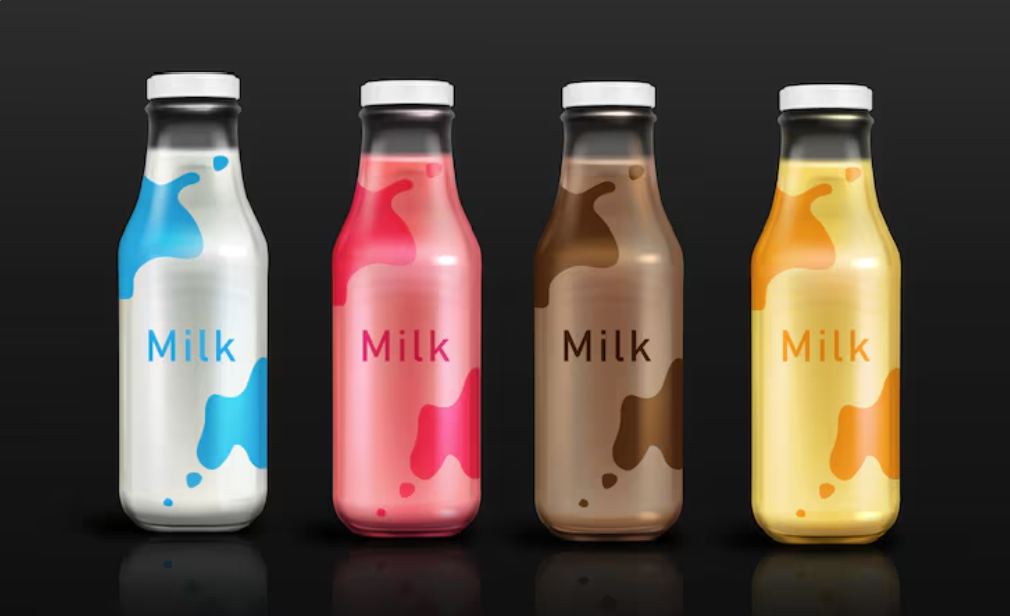
Temperature-sensitive beverages require a higher level of packaging precision. From cold-pressed juices and dairy-based drinks to functional beverages and specialty teas, maintaining consistent temperature conditions is critical to preserving quality, safety, and shelf life. Beverage companies that rely on cold chain logistics must design packaging systems that perform under strict environmental demands while still supporting efficiency and brand presentation.
Cold chain beverage packagingfocuses on maintaining product integrity from production to final delivery. When done correctly, it prevents spoilage, protects flavor profiles, and ensures compliance with safety standards.
Understanding the Cold Chain in Beverage Distribution
The cold chain refers to a temperature-controlled supply chain that keeps products within a specific range throughout storage, transport, and delivery. Even brief temperature fluctuations can compromise sensitive beverages, leading to quality degradation or product loss.
Effective beverage packaging plays a central role in this process. It works alongside refrigeration systems to create a stable environment that protects the product from external conditions. Insulated packaging, barrier materials, and secure sealing all contribute to maintaining consistent temperatures.
Companies that invest in reliable cold chain packaging reduce waste, maintain product consistency, and build stronger trust with their customers.
Materials Designed for Temperature Protection
Temperature-controlled beverage packaging relies on specialized materials that provide insulation and thermal resistance. These materials help slow heat transfer and maintain internal conditions for extended periods.
Foam inserts and insulated liners are commonly used to protect products during shipping. These materials create a barrier between the beverage and external temperatures, helping maintain freshness. Reflective films and thermal wraps further enhance insulation by reducing heat absorption.
Corrugated packaging also plays an important role. While it may not provide insulation on its own, it adds structural strength and supports the overall packaging system. This is where industrial packaging solutions become essential, combining durability with protective features to ensure safe transport.
Preventing Leaks and Maintaining Seal Integrity
Temperature-sensitive beverages often face additional stress due to condensation and pressure changes. Packaging must be designed to handle these conditions without compromising seal integrity.
Secure closures, tamper-evident seals, and high-quality materials help prevent leaks during transport. Proper sealing also protects against contamination, ensuring that beverages remain safe for consumption.
Designing packaging with these factors in mind reduces product loss and enhances customer confidence. A well-sealed package not only protects the product but also reinforces the perception of quality.
Optimizing Packaging for E-Commerce Delivery
The rise of e-commerce has added new challenges to cold chain beverage packaging. Products must now endure longer transit times and varying environmental conditions while still arriving in optimal condition.
Packaging must be robust enough to handle shipping while maintaining temperature stability. Insulated shippers, gel packs, and phase-change materials are commonly used to extend temperature control during transit.
A strategic approach to beverage packaging ensures that products remain protected from warehouse to doorstep. Businesses that optimize their packaging for e-commerce reduce returns, improve customer satisfaction, and strengthen brand loyalty.
Balancing Sustainability with Performance
Sustainability remains a key concern in temperature-controlled packaging. Traditional insulation materials can be difficult to recycle, prompting companies to explore more eco-friendly alternatives.
Innovations in recyclable insulation, biodegradable materials, and reusable packaging systems are helping businesses reduce their environmental impact. Lightweight designs also contribute to sustainability by lowering shipping emissions.
An experienced packaging supplier can help companies identify materials and designs that balance thermal performance with environmental responsibility. This approach allows businesses to meet sustainability goals without sacrificing product protection.
Enhancing Efficiency in Cold Chain Operations
Efficiency is critical in cold chain logistics. Packaging must integrate seamlessly with storage, handling, and transportation systems to maintain consistent performance.
Standardized packaging sizes improve palletization and storage efficiency. Automated packing processes reduce handling time and ensure consistency. Proper labeling and tracking systems also help monitor temperature conditions throughout the supply chain.
Working with a trusted orange county packaging provider allows businesses to develop packaging systems that align with their operational needs. Local expertise can improve response times and support more efficient distribution strategies.
The Role of Testing and Quality Assurance
Cold chain beverage packaging requires rigorous testing to ensure reliability. Temperature testing, drop testing, and seal integrity evaluations help validate packaging performance under real-world conditions.
These tests identify potential weaknesses and allow companies to refine their packaging designs. By investing in quality assurance, businesses can reduce risk and ensure consistent product delivery.
Testing also supports compliance with industry regulations, providing assurance that packaging meets safety and performance standards.
Future Trends in Temperature-Controlled Beverage Packaging
Advancements in materials and technology continue to shape the future of cold chain packaging. Smart packaging solutions, such as temperature indicators and tracking devices, provide real-time insights into product conditions during transit.
Improved insulation materials and sustainable alternatives are also gaining traction. These innovations help businesses enhance performance while reducing environmental impact.
As demand for fresh and functional beverages grows, companies must continue to adapt their packaging strategies to meet evolving expectations.
Conclusion
Temperature-controlled beverage packaging is essential for protecting sensitive products and maintaining quality throughout the supply chain. It combines specialized materials, thoughtful design, and efficient logistics to ensure beverages arrive in optimal condition.
By leveraging advanced beverage packaging solutions and integrating industrial packaging systems, businesses can improve reliability and reduce waste. Partnering with a knowledgeable packaging supplier and leveraging local expertise in orange county packaging helps create scalable, efficient, and future-ready cold chain solutions.
