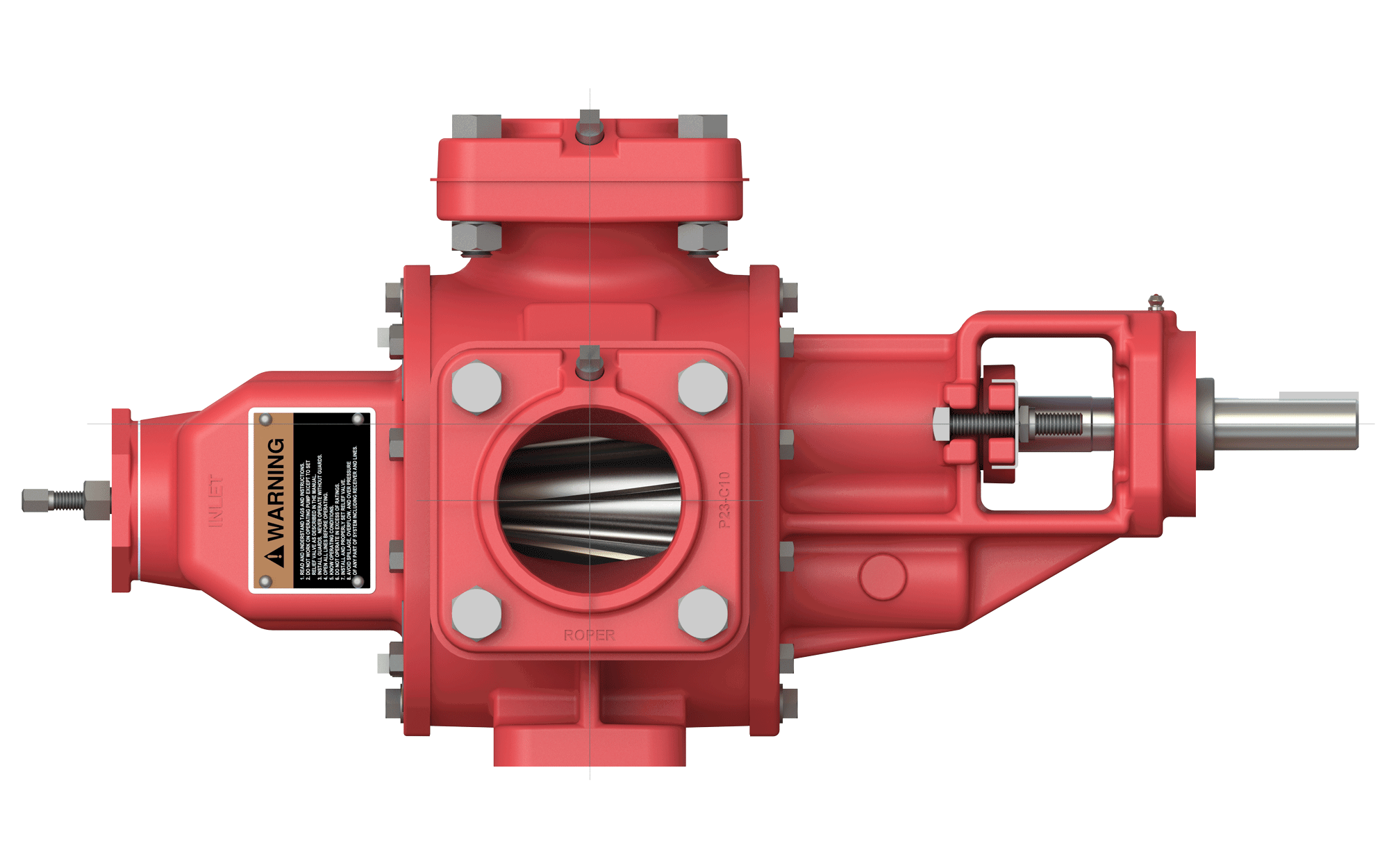
There is a common assumption that any industrial pump can handle the complexities of viscous food products. Many operators believe that standard utility equipment is sufficient for moving ingredients like melted cocoa or dense syrups, provided the pump is powerful enough to handle the volume. In reality, the physical characteristics of these substances demand a more nuanced approach, as standard mechanical systems often struggle with shear sensitivity and temperature consistency.
The Technical Challenges of Pumping High-Viscosity Food Materials
Moving thick substances requires a design philosophy that prioritizes flow stability and material integrity. A substance like chocolate behaves differently depending on the pressure applied and the rate of movement. When a material is shear-sensitive, the internal mechanics of the pump can inadvertently alter the product's texture or appearance, leading to inconsistencies that are difficult to correct once the material has reached the next stage of production.
Furthermore, these materials frequently require precise temperature control. If the equipment does not maintain a uniform temperature throughout the pumping process, the substance may begin to solidify, adhere to internal surfaces, or lose the specific viscosity profile needed for downstream machinery. Chocolate transfer pumps are often designed with features that address these exact constraints, such as temperature-controlled jackets or specialized internal tolerances that ensure the material moves smoothly without excessive friction.
Why Precision Engineering Matters More Than Raw Power
In the context of industrial production, the focus often drifts toward output speeds and sheer throughput. While efficiency is a valid goal, it is frequently secondary to the quality and consistency of the product being moved. If a pump operates at high speeds but introduces air bubbles, creates excessive heat, or unevenly distributes the material, the entire production line faces risks.
Choosing the right technology typically involves evaluating how the internal components interact with the fluid. A gear pump manufacturer focuses on the precision of the meshing teeth and the internal clearances within the pump casing. These clearances are critical; if they are too wide, the material slips backward, reducing efficiency. If they are too tight, the friction generated can damage the substance being transported. The goal of a sophisticated fluid handling system is to find the balance where the pump operates reliably over long durations while maintaining the physical properties of the fluid being processed.
Evaluating Fluid Handling Systems in Real-World Operations
When considering how to integrate or upgrade these systems, it is helpful to observe how the equipment performs under varied production demands. Many manufacturers find that a system designed for a specific viscosity range offers better long-term reliability than a "one size fits all" approach. A well-engineered pump often features materials that are easy to clean and resistant to the types of residue typically left behind by food-grade materials.
When consulting with providers, consider the following questions:
● How does the equipment maintain its efficiency when the input temperature of the product varies?
● What measures are in place to ensure that the pump does not introduce air into the fluid?
● How does the design allow for routine inspection of the internal moving parts?
● Are there specific maintenance routines that can be performed without requiring a full system disassembly?
These questions can reveal whether a system is built to support sustainable, high-quality production or if it is merely designed to move material from one point to another without regard for the product's final state.
Reframing the Approach to Industrial Fluid Transport
The perspective that treats pumping as a generic mechanical task often overlooks the interplay between fluid dynamics and machine longevity. When a facility adopts a more targeted approach, they tend to see improvements not just in product quality, but in the operational life of the equipment itself. Consistent pressure and stable flow rates mean that the pump is not constantly fighting against itself, which reduces wear on motors, seals, and internal gears.
Thinking about fluid transport as a component of quality assurance shifts the conversation. Instead of just buying a machine to move liquid, the focus becomes securing a system that preserves the work done in the mixing and heating stages. This mindset is common among producers who prioritize consistency, and it is a reliable way to gauge the effectiveness of any fluid handling installation.
Ultimately, the goal is to bridge the gap between simple movement and managed flow. By prioritizing equipment that is designed with the specific behaviors of the fluid in mind, operations can achieve a level of stability that supports growth. The reliability of the production line is often a direct reflection of the attention paid to the smallest components in the chain. When the infrastructure is matched carefully to the material requirements, the entire manufacturing process operates with greater predictability, reducing the frequency of interventions and allowing for a more streamlined approach to daily tasks.
