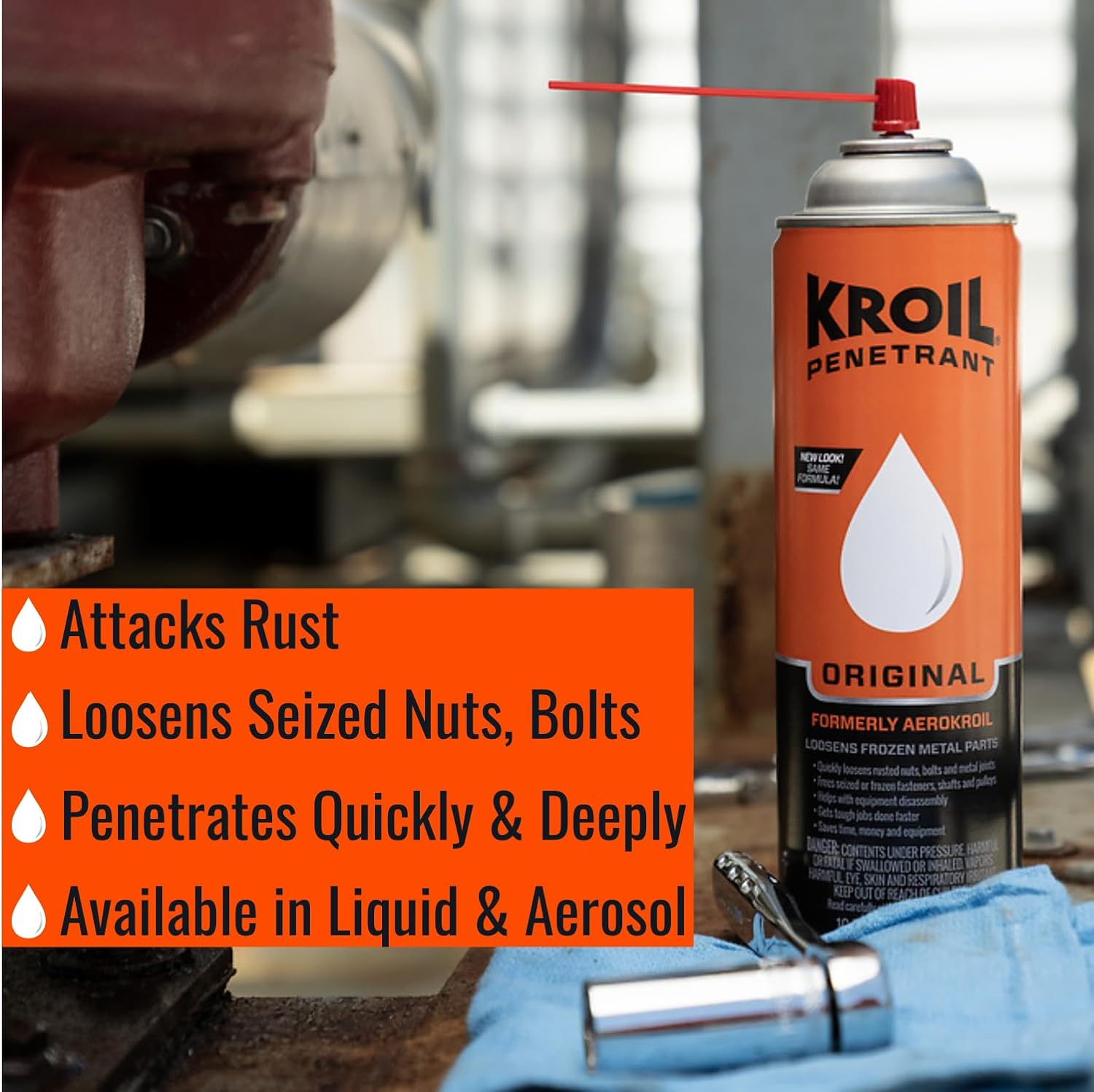
When you encounter a fastener that refuses to budge, the temptation is often to reach for the nearest tool and apply as much force as possible. However, the most effective approach typically involves chemical intervention before mechanical strain. Choosing a reliable lube job super penetrant is a critical decision for anyone working on automotive maintenance, home repairs, or industrial equipment, as the right formula can be the difference between a smooth disassembly and a broken stud that requires hours of extra work.
Understanding the Mechanics of Stiffened Fasteners
Before applying any product, it is useful to consider why a bolt or nut becomes seized in the first place. Over time, moisture and atmospheric exposure lead to oxidation—commonly known as rust—which acts as a physical binder between the threads of the bolt and the mating surface. In many cases, this rust is compounded by road grime, dried grease, or debris that accumulates in the exposed threads.
When you attempt to loosen a seized fastener without assistance, the friction between the corroded surfaces is often higher than the structural strength of the fastener itself. This is why snapping a bolt head is a common, frustrating outcome of using brute force. A quality spray to loosen bolts works by introducing low-viscosity oils and chemical agents that can travel into the microscopic gaps within the threads. Once inside, these substances typically serve two purposes: they soften or dissolve the existing oxidation and provide lubrication to reduce the friction coefficient when you finally apply torque.
High-Performance Penetrants vs. Standard Lubricants
It is a common error to use a general-purpose lubricant, such as a white lithium grease or a standard household oil, for a seized fastener. While these products are excellent for moving parts, they are often too thick to migrate into the tight clearances of a rusted connection.
A dedicated penetrant is engineered with a very low surface tension, which allows it to "creep" into narrow spaces. Many professional-grade formulas also incorporate additives designed to break the molecular bonds of rust. When evaluating these products, consider how the chemical is intended to be applied. A precision straw or nozzle is helpful for minimizing waste and ensuring the chemical is delivered exactly where it is needed—at the base of the fastener head or the exposed threads.
Factors That Influence Your Choice of Penetrant
The environment in which you are working can significantly influence which product is most effective for your project. For instance, if you are performing a lube job super penetrant application on an automotive exhaust manifold, you are dealing with components that have undergone extreme heat cycles, which often bakes the rust and grime into a hard, stubborn layer. In such cases, some users find that a product designed to work well with heat-treated or high-stress applications is necessary.
Conversely, for indoor home projects where fumes might be a concern, or where you are working near sensitive plastic or painted surfaces, look for products that are formulated to be less aggressive toward non-metal materials. If you are uncertain about the chemical compatibility, testing a small, inconspicuous area first is a sound practice.
The amount of time allowed for the product to penetrate is also a variable that shifts the outcome. Many enthusiasts and professionals alike report that applying a spray to loosen bolts and then allowing it to sit for a significant duration—sometimes even multiple applications over several hours—leads to far better results than applying it and immediately attempting to loosen the fastener. Patience is often the most important tool in your kit.
Refining Your Approach for Consistent Success
Achieving success with seized hardware often requires more than just the right liquid. It requires a systematic approach to the entire process. Here are several considerations to keep in mind when tackling a challenging fastener:
Preparation and Application Techniques
● Clear the Area: Use a wire brush to remove as much loose scale and surface debris as possible from the exposed threads before you begin. This allows the penetrant to reach the actual point of connection.
● Strategic Tapping: After the penetrant has had time to soak, a gentle tap on the head of the bolt with a hammer can sometimes help "shock" the bond and encourage the chemical to migrate deeper into the threads.
● Heat Application: In certain scenarios, controlled heat can be used to expand the outer nut or housing slightly, which may break the grip of the corrosion. Always evaluate the risks of fire and damage to nearby components, such as rubber seals or wires, before using any heat source.
● Incremental Force: When you finally reach for the wrench, start with gentle pressure. If the bolt moves slightly but feels gritty, consider re-applying the spray to loosen bolts, tightening it back slightly to work the product deeper into the threads, and then attempting to loosen it again. This back-and-forth movement can prevent the accumulation of debris from causing the fastener to jam as it backs out.
Aligning Your Strategy with Your Specific Needs
The choice of product should ultimately be guided by the nature of the task and the frequency with which you face seized components. For a homeowner who rarely encounters stuck bolts, keeping a general-purpose, high-quality penetrant on hand is typically sufficient. For someone who works on vehicles or machinery in the garage every weekend, investing in a professional-grade lube job super penetrant that is specifically formulated for high-corrosion environments may yield better results and save time.
Do not overlook the value of safety equipment when using these chemicals. Regardless of the brand or formula, working in a well-ventilated area and wearing appropriate eye protection are sensible precautions. Chemicals designed to penetrate and loosen rust are inherently active, and taking simple steps to avoid skin or eye contact is a foundational part of responsible workshop safety.
As you gain experience, you will likely develop a preference for certain delivery systems—some prefer aerosols for their reach, while others prefer liquid cans for precision. Ultimately, the best tool is the one that allows you to work safely and consistently. By focusing on the preparation of the fastener and allowing the chemical agents time to perform their work, you turn a high-stress mechanical struggle into a manageable task. Your approach to these minor maintenance hurdles will reflect the care you take in your broader projects, ensuring that hardware remains functional and your equipment remains in peak condition.
