The food packaging industry is constantly evolving to meet growing demands for product safety, extended shelf life, and operational efficiency. Manufacturers today face increasing pressure to deliver high-quality products while maintaining cost-effective production processes. As a result, advanced packaging technologies have become essential across food processing facilities worldwide.
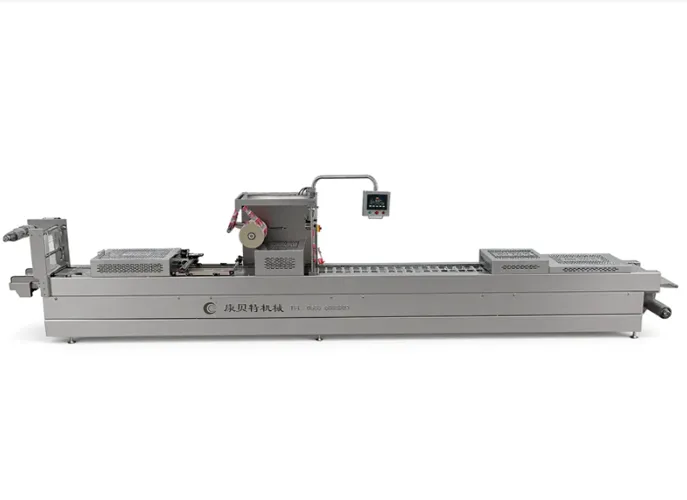
Among the most widely adopted solutions is the thermoforming packaging machine, a technology that combines automation, flexibility, and precision to streamline packaging operations. From fresh meat and seafood to dairy products and ready meals, thermoforming systems are helping businesses improve productivity while ensuring products remain protected throughout the supply chain.
Understanding Thermoforming Packaging Technology
Thermoforming packaging is a process in which plastic film is heated and molded into a specific shape to create customized packaging. The formed package is then filled with the product and sealed within the same production line.
Unlike conventional packaging methods that rely on pre-formed containers or trays, thermoforming systems create packaging directly from film rolls. This approach reduces material handling requirements and allows manufacturers to optimize production efficiency.
The technology is suitable for both flexible and rigid packaging applications, making it a preferred solution for a wide range of food products. Whether packaging fresh poultry, processed meat, cheese, seafood, or prepared meals, thermoforming systems offer exceptional versatility.
Why Automation Matters in Food Packaging
Automation has become a critical factor in modern food manufacturing. Rising labor costs, stricter food safety regulations, and increasing production demands have encouraged companies to invest in smarter packaging solutions.
A modern packaging machine helps manufacturers automate repetitive tasks that would otherwise require significant manual labor. By integrating forming, filling, sealing, and cutting processes into a single system, businesses can improve workflow efficiency and reduce the likelihood of human error.
Automated packaging also contributes to consistent product presentation. Every package is produced according to precise specifications, ensuring uniformity across production batches and strengthening brand credibility.
Enhancing Product Freshness and Protection
Food products are highly sensitive to environmental conditions. Exposure to oxygen, moisture, bacteria, and contaminants can quickly affect quality and freshness.
Thermoforming systems are designed to create secure seals that protect products from external factors. This packaging integrity helps maintain product quality from production through distribution and retail display.
Many thermoforming lines can also incorporate vacuum packaging and modified atmosphere packaging (MAP) technologies. These advanced methods remove or replace air inside the package, helping slow microbial growth and oxidation.
As a result, manufacturers can extend product shelf life while reducing spoilage and food waste. This not only improves profitability but also supports sustainability initiatives across the supply chain.
Improving Production Efficiency
One of the primary benefits of thermoforming packaging equipment is its ability to increase operational efficiency.
Traditional packaging methods often require multiple machines and separate production stages. Thermoforming technology combines several processes into one streamlined workflow, reducing production bottlenecks and improving throughput.
Manufacturers can package higher volumes of products in less time while maintaining consistent quality standards. The reduction in manual intervention also minimizes downtime and allows employees to focus on higher-value tasks within the facility.
For growing businesses, improved efficiency translates directly into increased production capacity and better utilization of resources.
Greater Flexibility for Different Food Products
Every food product has unique packaging requirements. A packaging solution that works for cheese may not be suitable for seafood or ready-to-eat meals.
Thermoforming technology offers the flexibility needed to accommodate a wide variety of product types, package dimensions, and film materials. Manufacturers can easily customize packaging designs to suit specific market requirements while maintaining efficient production speeds.
This adaptability allows companies to respond quickly to changing consumer preferences and retail trends. It also supports product differentiation by enabling attractive package designs that enhance shelf appeal.
In highly competitive markets, packaging can influence purchasing decisions just as much as product quality. The ability to create visually appealing and functional packaging provides a valuable competitive advantage.
Supporting Sustainable Packaging Goals
Sustainability has become a key priority throughout the food industry. Consumers and retailers increasingly expect manufacturers to reduce waste and adopt environmentally responsible practices.
Thermoforming packaging systems can contribute to these objectives by improving material efficiency. Because packaging is formed directly from film rolls, manufacturers often achieve better material utilization compared to some traditional packaging methods.
Many modern systems are also compatible with recyclable and eco-friendly packaging materials, helping businesses align with environmental initiatives and evolving regulations.
Reducing material waste not only benefits sustainability efforts but can also generate long-term cost savings for manufacturers.
The Future of Food Packaging
As food manufacturers continue to seek ways to improve efficiency, maintain product quality, and reduce operational costs, thermoforming technology is expected to play an increasingly important role.
The combination of automation, flexibility, product protection, and sustainability makes thermoforming packaging one of the most effective solutions available in today's food industry. Companies that invest in advanced packaging technologies are better positioned to meet changing market demands and maintain a competitive edge.
Conclusion
Modern food manufacturers require packaging solutions that do more than simply contain products. They need systems that enhance efficiency, preserve freshness, support sustainability goals, and deliver consistent quality.
Thermoforming packaging technology addresses all of these challenges through a highly automated and versatile approach. By improving production performance and product protection, thermoforming systems help businesses achieve long-term operational success while meeting the evolving expectations of consumers and retailers alike.
