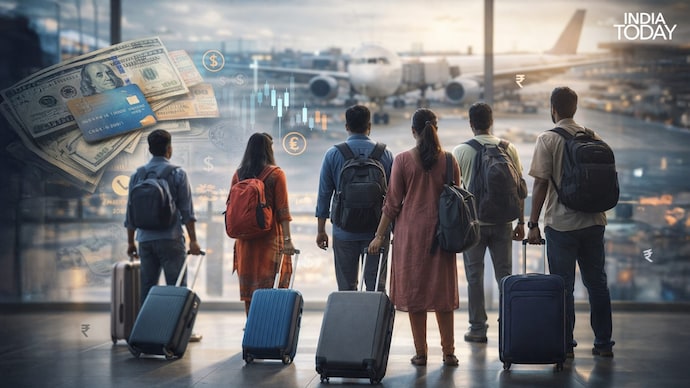
India’s outbound travel story is undergoing a profound transformation. What was once dominated almost entirely by metropolitan cities is now being reshaped by the rising participation of Tier 2 and Tier 3 cities. From Jaipur and Indore to Coimbatore and Siliguri, smaller urban centres are increasingly contributing to international travel volumes and foreign exchange spending. This shift signals a broader redistribution of economic confidence, aspiration, and global exposure across non-metro India.
For decades, overseas travel was considered a privilege largely limited to metro residents due to better connectivity, higher incomes, and greater access to travel services. However, the past few years have rewritten this narrative. Today, international travel is no longer a metro monopoly. Instead, it reflects a nationwide aspiration driven by evolving income patterns, better infrastructure, digital accessibility, and changing lifestyles.
Rising Affluence Beyond Metros
One of the most important reasons behind this shift is the steady rise in disposable income across smaller cities. Growth in local businesses, real estate appreciation, service sector expansion, and entrepreneurial activity has strengthened purchasing power. Many households in Tier 2 and Tier 3 cities now possess the financial confidence to allocate funds for leisure, education, and global exposure.
Unlike earlier generations that prioritised savings alone, today’s non-metro consumers are increasingly experience-driven. International travel is no longer seen as a luxury but as a milestone, a reward, and a symbol of social mobility. Families are more willing to invest in overseas vacations, education trips, and international celebrations such as anniversaries or honeymoons.
Improved Connectivity and Accessibility
Better infrastructure has played a crucial role in unlocking this demand. Regional airports have expanded significantly, offering direct international routes and improved domestic connectivity. Travellers from smaller cities no longer need to depend entirely on metro hubs for international departures. This has reduced both travel time and cost, making foreign trips more convenient and attractive.
At the same time, easier passport access through expanded service centres and digitised processes has made international documentation faster and more accessible. Visa applications, online bookings, currency exchanges, and itinerary planning can now be done digitally, even from remote locations. This convenience has eliminated many of the psychological and logistical barriers that once limited overseas travel from non-metro regions.
linkerchains.com | urcaddystudios.com | busrena.com
GrammarWays.com | ACourierTracking.com
Changing Destination Preferences
Travellers from Tier 2 and Tier 3 cities tend to choose destinations that offer a balance of affordability, familiarity, and cultural comfort. Middle Eastern and Southeast Asian destinations remain popular due to shorter travel times, simpler visa processes, and strong hospitality infrastructure.
Dubai has emerged as a particularly popular gateway destination. For many first-time international travellers from smaller cities, it represents an accessible and aspirational introduction to global travel. Southeast Asian countries such as Thailand, Vietnam, Indonesia, and Malaysia also attract large volumes of Indian travellers from non-metro regions.
Europe is gradually gaining popularity among experienced travellers from these cities, especially through group tours and value-based travel packages. The growth indicates a rising maturity in travel preferences, moving from basic sightseeing toward immersive cultural experiences.
Forex Demand Reflects Confidence
Foreign exchange demand has risen sharply alongside outbound travel growth. Contrary to earlier assumptions, travellers from smaller cities do not necessarily spend less. They spend with greater planning and purpose. Their expenses often cover longer stays, family travel, shopping, cultural activities, and local experiences.
In addition to leisure spending, forex demand is being driven by education fees, medical tourism payments, business expenses, and professional travel. This multi-purpose spending pattern strengthens India’s overall outward forex flow and reflects the growing global participation of non-metro citizens.
Younger travellers from these regions are also more informed and digitally aware. They compare currency rates, understand travel insurance, and explore global payment solutions, contributing to more structured forex consumption behaviour.
Beyond Leisure: Education, Health, and Business
International travel from smaller cities is not limited to tourism alone. A significant share comes from students seeking global education opportunities, families pursuing advanced medical treatments, and entrepreneurs exploring business partnerships.
Although stricter visa norms in some countries have slowed student movement temporarily, the aspiration to study abroad remains strong. Families continue to invest heavily in international education as a long-term career strategy.
Medical tourism has also emerged as a driver, with patients travelling for specialised procedures, wellness therapies, and second opinions. Business travel, exhibitions, and trade events further expand international exposure among professionals from non-metro cities.
Travel Industry Response
Recognising this shift, travel companies, airlines, tourism boards, and hospitality brands are actively targeting Tier 2 and Tier 3 markets. Marketing campaigns are now regional, multilingual, and culturally customised. Payment plans, group packages, and local agent partnerships are designed to cater to first-time travellers.
Tourism boards increasingly host promotional events in smaller cities, acknowledging their growing contribution to outbound travel numbers. Hotels and airlines have also introduced pricing strategies and loyalty programmes tailored for these emerging markets.
This ecosystem support has accelerated confidence and encouraged repeat travel behaviour among non-metro travellers.
Challenges That Remain
Despite impressive growth, several challenges must be addressed to sustain momentum. Limited international connectivity from certain regional airports, visa processing delays, and fluctuating forex regulations can affect travel planning.
Awareness around travel insurance, financial planning, and international compliance also needs improvement. First-time travellers from smaller cities require guidance to navigate foreign regulations, safety practices, and budgeting.
Financial institutions can play a bigger role by offering transparent forex products, travel cards, and education-linked payment solutions that simplify international transactions.
A New Chapter in India’s Travel Story
The rise of Tier 2 and Tier 3 cities in overseas travel reflects a deeper national transformation. Economic opportunities are no longer confined to metros, and aspirations are no longer limited by geography. International exposure is becoming a shared dream across urban India.
This shift benefits not only travellers but also strengthens India’s global presence, supports foreign tourism economies, and reinforces the country’s role as a major contributor to global travel demand.
Conclusion
India’s overseas travel and forex growth is no longer driven solely by metropolitan elites. Smaller cities are now at the heart of this expansion, redefining how, why, and where Indians travel abroad. With rising incomes, improved connectivity, digital access, and evolving mindsets, Tier 2 and Tier 3 cities are shaping a more inclusive and dynamic future for India’s global travel footprint.
As this momentum continues, India’s outbound tourism will become more geographically balanced, economically resilient, and socially representative — marking a new era where global travel truly belongs to every Indian city.